
What Is Crop Insurance?
Crop insurance is a USDA-backed risk management tool that helps farmers protect their operations from financial losses caused by natural events and market swings. By purchasing a policy through an accredited agent, producers can receive financial support when crops are damaged by things like drought, hail, disease, or unexpected price drops — helping stabilize income and reduce the impact of unpredictable growing conditions. It’s similar to how homeowners or auto insurance works, except it’s designed specifically to protect your crop production and revenue.
Multi-peril crop insurance products
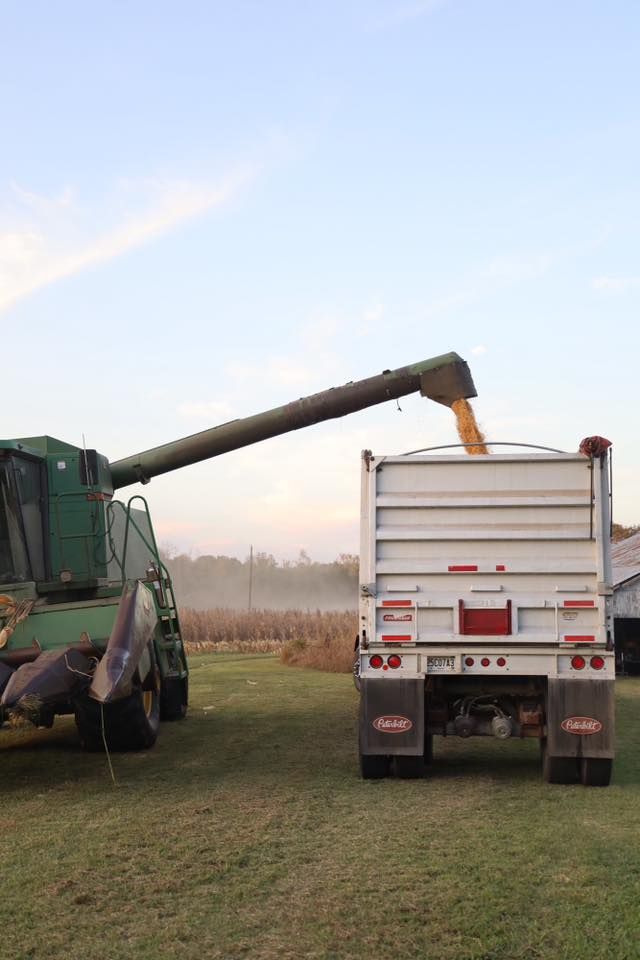
Revenue Protection
A multi-peril policy that helps protect against losses from lower yields, lower prices, or a combination of both.
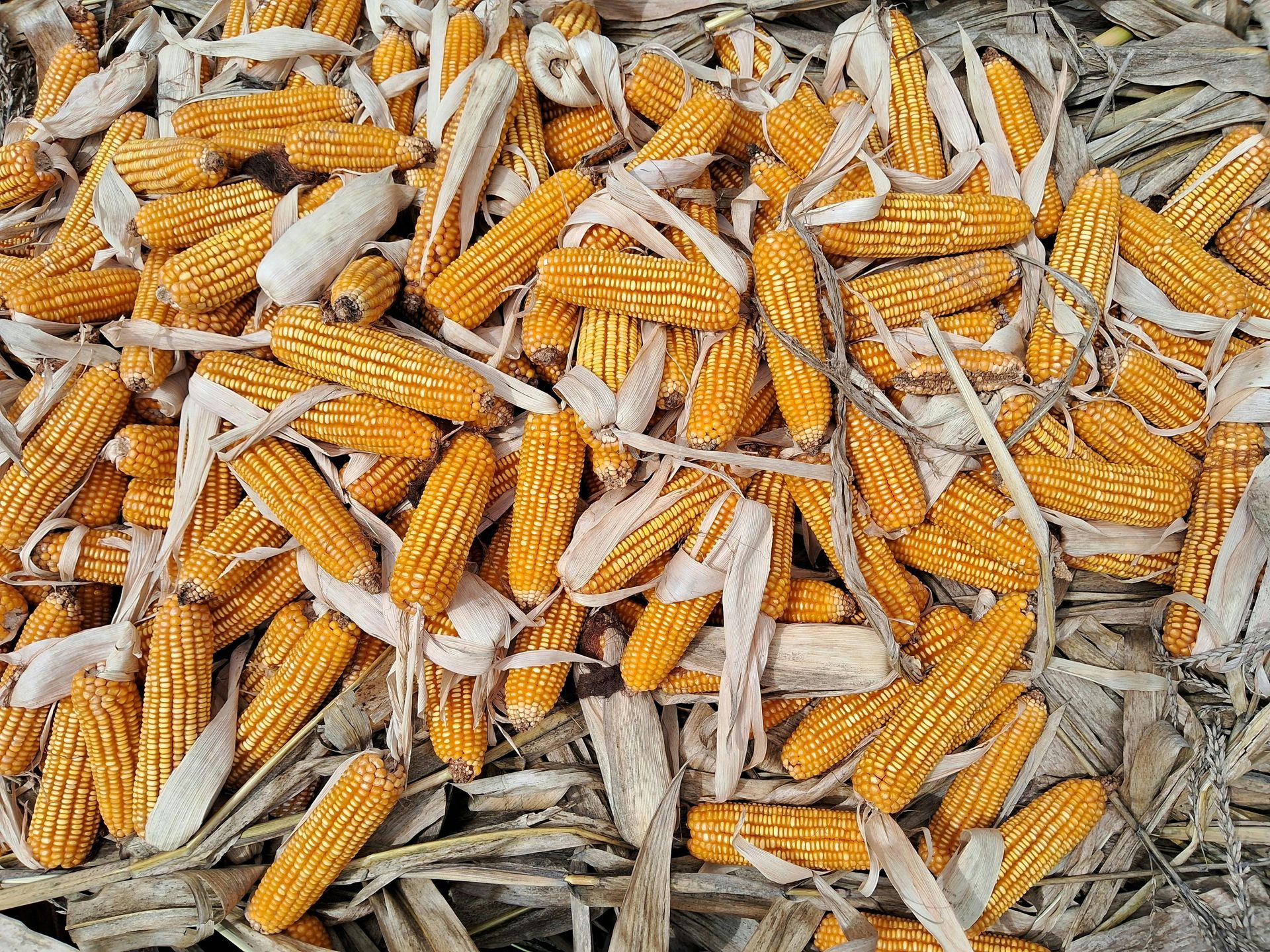
Yield Protection
A multi-peril policy that helps protect yields from losses caused by natural events
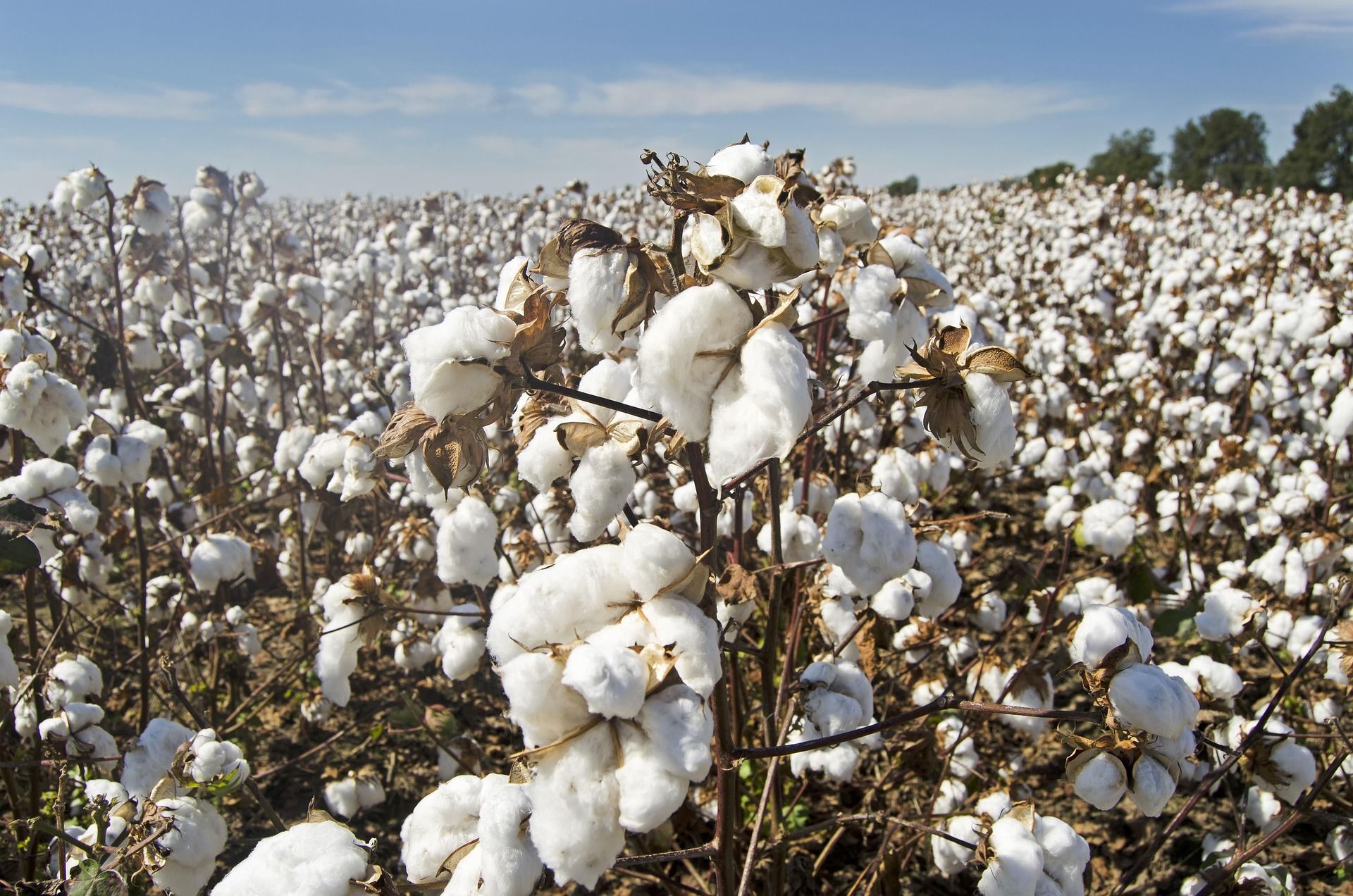
Yield Exclusion
Yield Exclusion allows qualifying low-yield years caused by county-level disasters to be removed from your APH, which may increase your approved yield and insurance coverage.
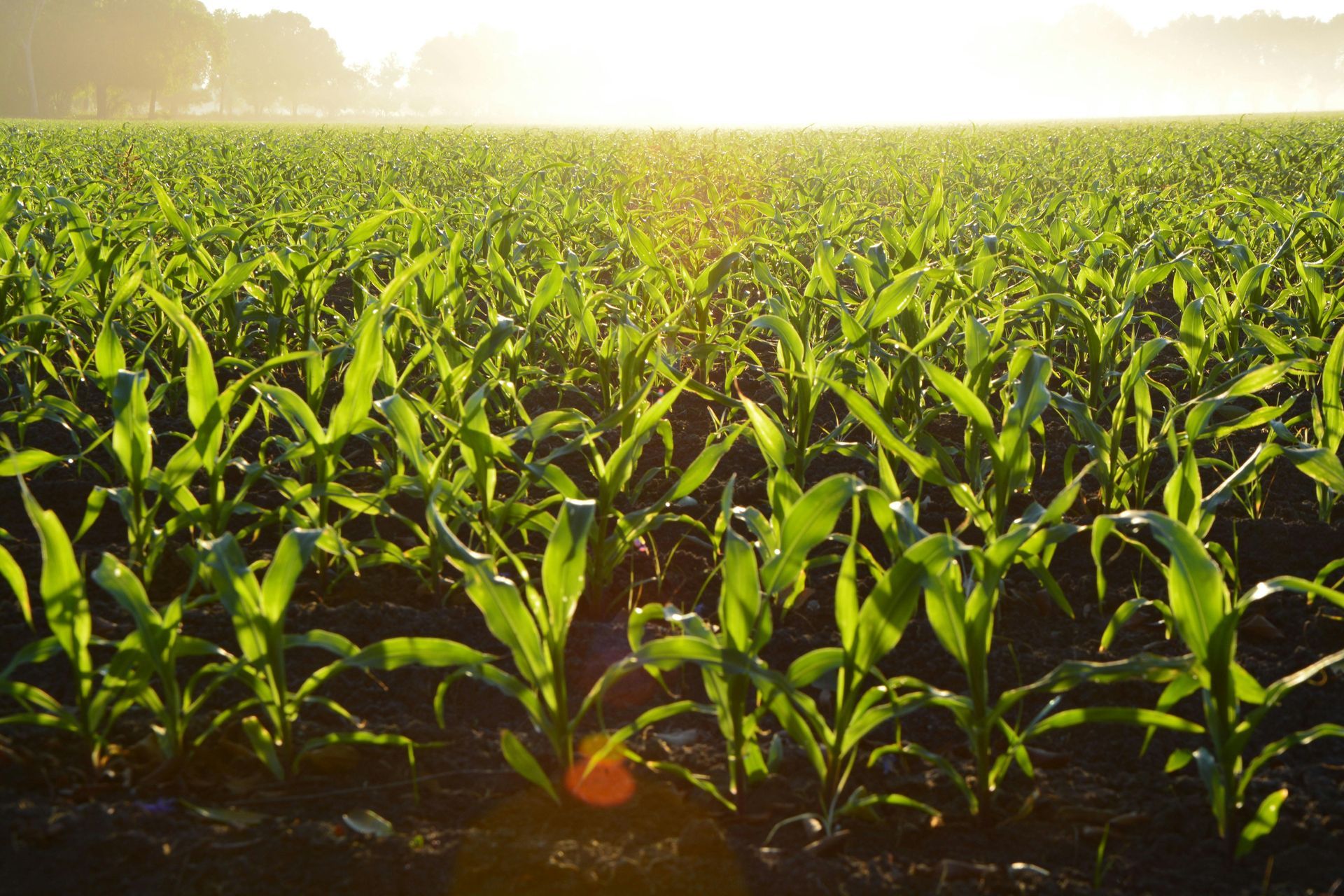
Supplemental Coverage Option
An area-based option that adds extra protection, offering coverage up to 86% on an existing crop insurance policy.

Enhanced Coverage Option
An area-based coverage option that adds higher protection levels, up to 90% or 95%, on top of an existing policy.
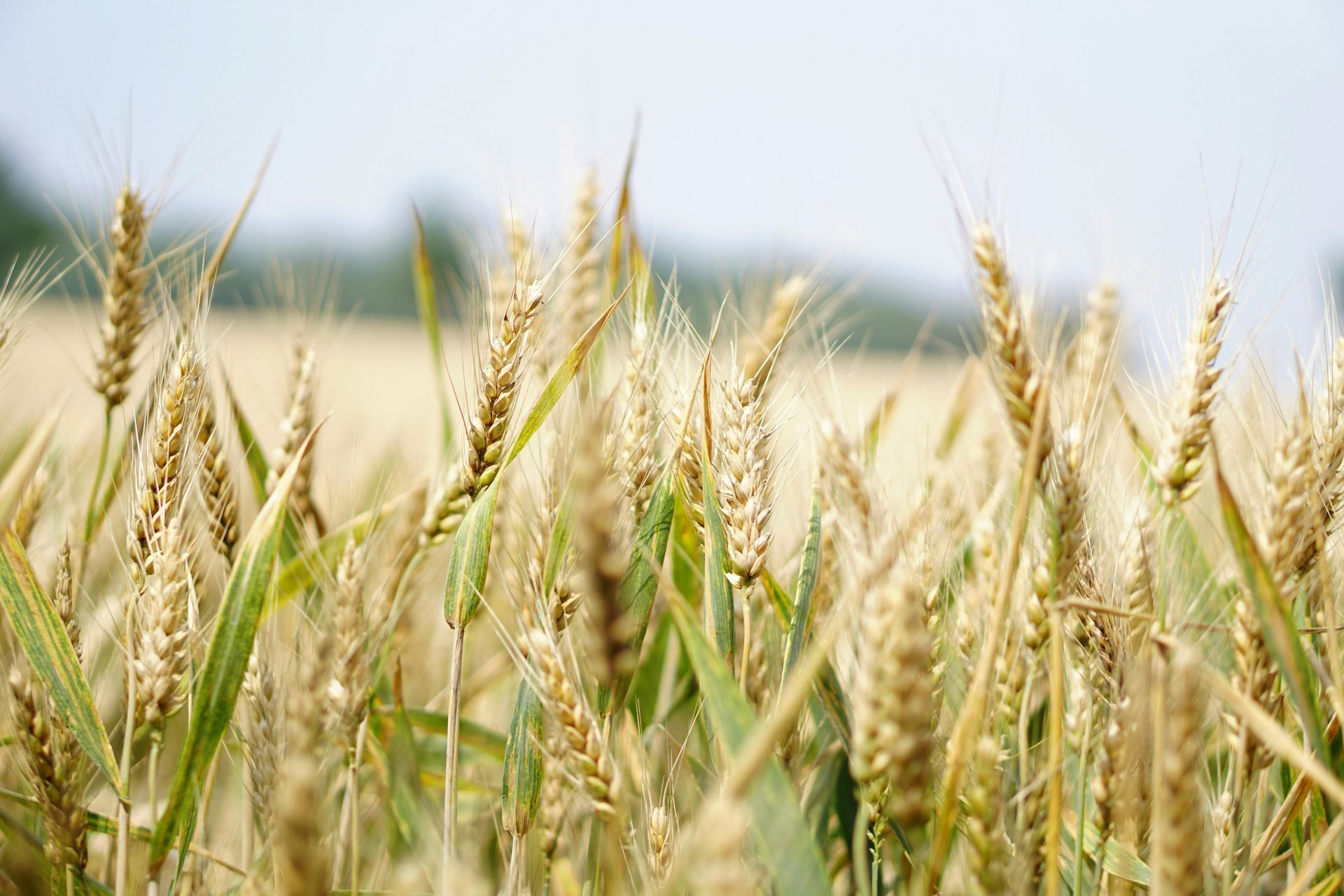
Margin Protection
An area-based option that helps protect against unexpected drops in operating margins.
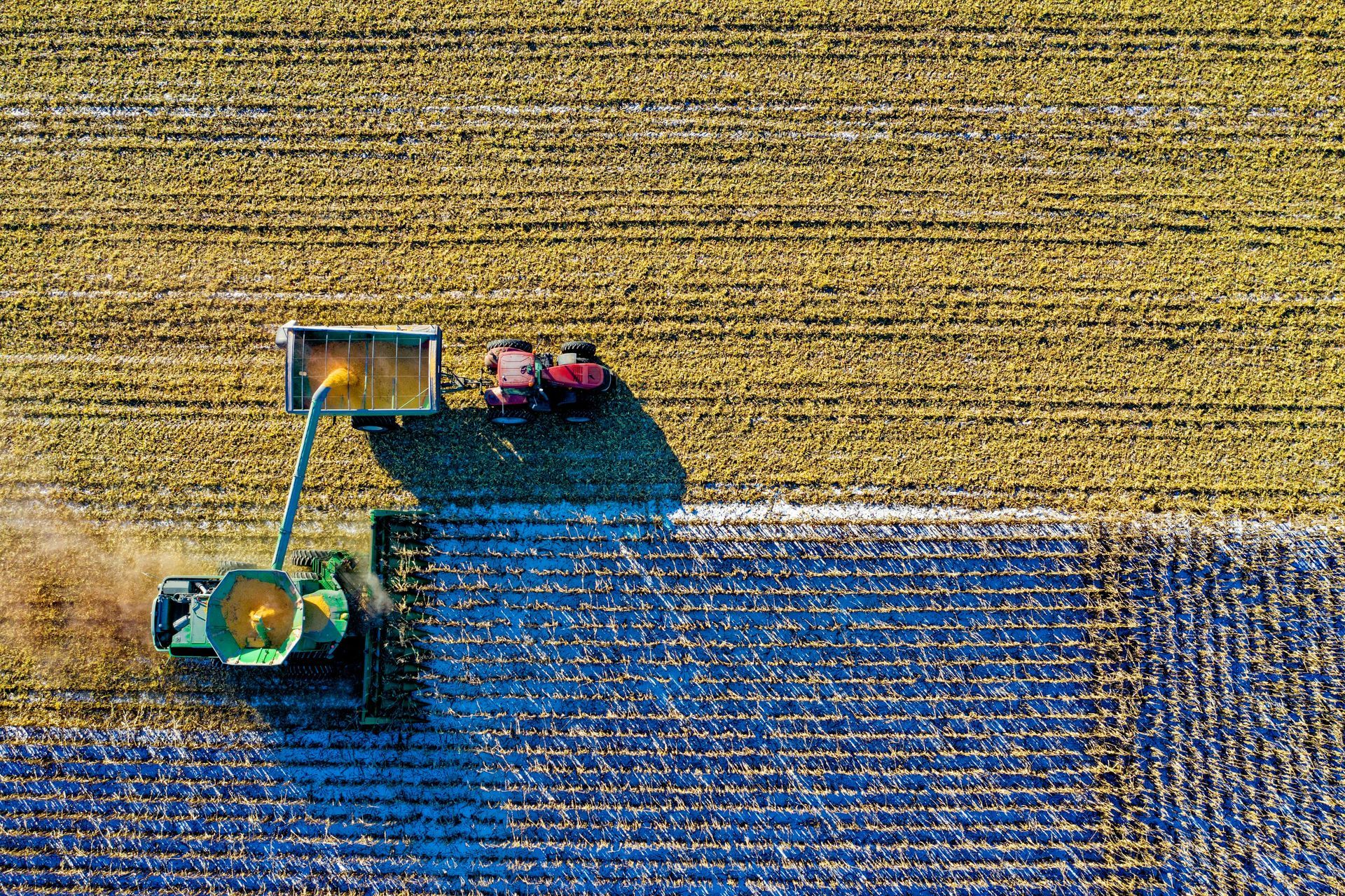
Whole-Farm
A single insurance policy designed to help manage risk across multiple commodities.
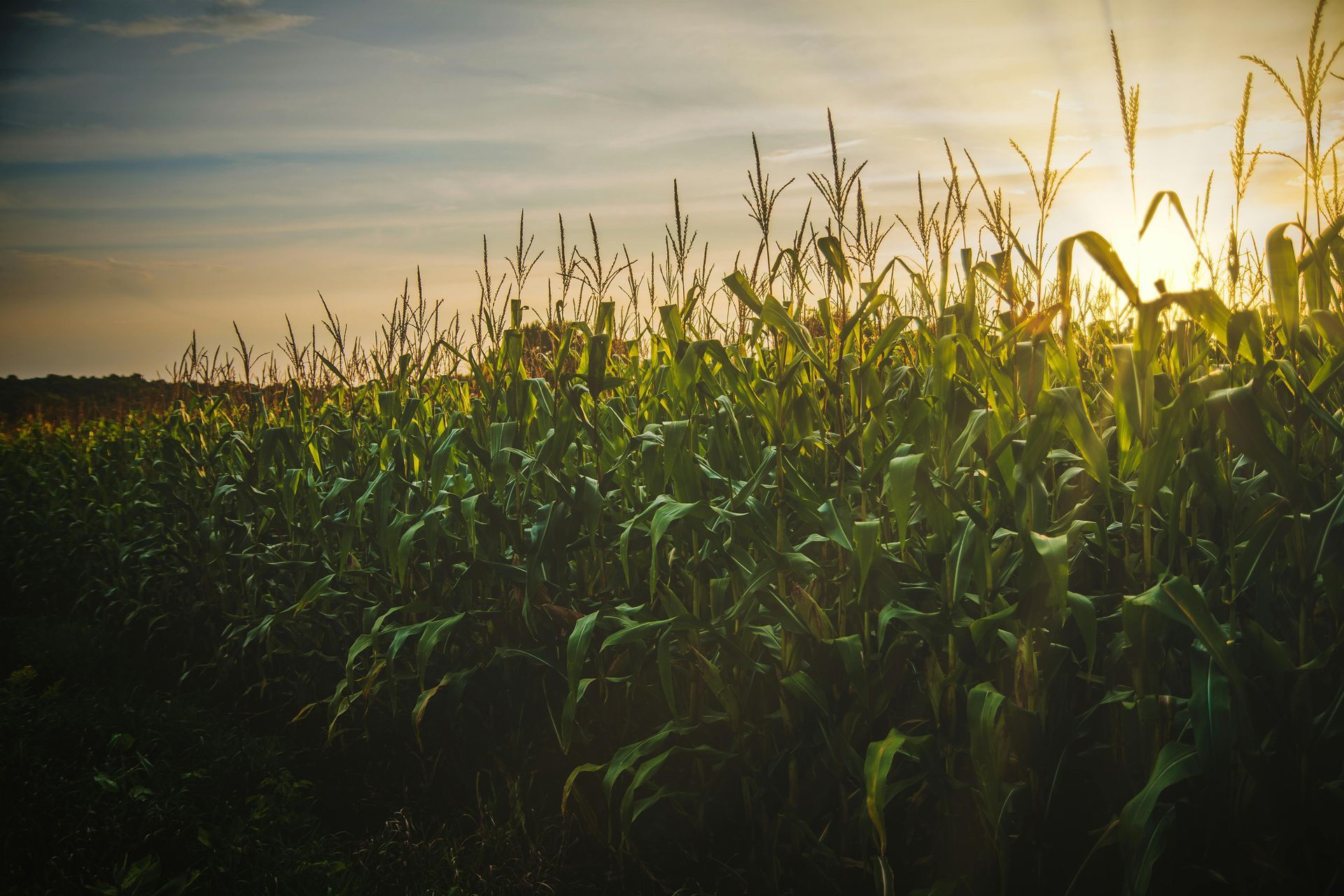
Actual Production History
A multi-peril policy designed to help protect your future yields based on your historical production.
How Crop Insurance Works
Crop insurance covers natural disasters that may be experienced during the growing season and possible market volatility to protect your revenue.
- You work with a Farm Shield agent to choose coverage that fits your crops, acres, and operation goals.
- Crop insurance helps protect against losses caused by weather events, natural disasters, and market price changes.
- Policies are offered through approved insurance providers and backed by the USDA.
- Coverage options vary and may protect yields, revenue, or area-based results, depending on the policy you select.
- Additional coverage options can be added to strengthen protection beyond a base policy.
- Most policies must be in place before planting each year to be eligible for coverage.
- If a covered loss occurs, an indemnity payment may help offset the financial impact on your operation.
Prepare Your Details
Gather your production history for the acres you plan to insure, along with estimated input costs. This information helps ensure your coverage is built accurately.
Build Your Risk Plan
We’ll work with you to review your information and develop a risk management approach tailored to your operation, using data and tools to guide smart coverage decisions.
Ongoing Support
Our relationship doesn’t end once your policy is in place. We’ll help track important deadlines and provide support if you ever need to file a claim or review your coverage.